- PricingWe don’t hide behind fancy sales teams before we tell you, our prices.
- Clients
See who we are working with and what they have to say about Heresafe.- Resources
Check out our blog, useful guides, whitepapers and product videos.
HACCP and Food Safety Compliance: Managing Contractors in Processing Plants for 2026

Did you know that, according to Sedgwick’s 2026 State of the Nation Product Safety and Recall Index, European recall activity reached a new high in 2025, with 15,608 recalls recorded across products amid ongoing regulatory pressure and market complexity?
In UK food-processing plants, contractors and visitors frequently enter controlled environments to carry out maintenance, cleaning, installations, inspections, or repairs. That creates a practical food-safety challenge: anyone entering production or handling areas needs the right hygiene information, the right approvals, and the right level of supervision before they are allowed to move through site. Under retained Regulation (EC) No 852/2004, food business operators must implement and maintain HACCP-based procedures and ensure food handled under their control meets the relevant hygiene requirements. In practice, that means contractor and visitor management is not separate from food safety, it is part of how sites reduce contamination risk, maintain control, and protect product integrity. With recent cereulide-related infant formula recalls and alerts affecting six EU countries and the UK between December 2025 and February 2026 underlining how quickly failures can escalate, stronger control over temporary personnel helps food businesses support compliance, improve traceability, and reduce avoidable disruption.
Key Areas We Will Cover
- The role of HACCP in UK food processing compliance heading into 2026
- Specific challenges in controlling contractors within HACCP frameworks
- Essential best practices for contractor onboarding, hygiene controls, and monitoring
- Core features of digital systems to align with HACCP requirements
- How Heresafe streamlines contractor management for food safety environments
- Practical steps to enhance your HACCP-aligned processes
Introduction
In food-processing plants, effective contractor and visitor management is a practical part of supporting HACCP-based control. Temporary personnel can introduce risk through poor hygiene, incomplete inductions, missing documentation, unrestricted movement, or weak supervision. Food businesses therefore need clear processes to check documentation in advance, deliver site-specific inductions, control entry, and maintain visibility over who is on site and why. This matters not only because HACCP-based procedures are a legal requirement under retained Regulation (EC) No 852/2004, but because visitors and contractors on site remain the responsibility of the food business and should be managed accordingly. As recall activity and recent contamination incidents continue to show, weak control over temporary access can create unnecessary exposure in high-hygiene environments. This guide explores how stronger contractor management supports HACCP in practice, and how digital tools like Heresafe help teams standardise these processes, improve traceability, and reduce reliance on paper-based workflows.
Understanding HACCP Requirements for Contractors in Food Processing Plants
HACCP systems identify and control hazards throughout food production, treating contractors as potential hazard sources requiring equivalent safeguards to employees.
Unique Challenges: Contractor Management in HACCP Environments
Contractors access sensitive areas irregularly, complicating the consistent application of hygiene and monitoring protocols.
Common challenges include:
- Delivering and verifying site-specific hygiene inductions covering allergen controls, hand hygiene, and contamination prevention
- Confirming up-to-date hygiene training, health declarations, and qualifications to block hazard introduction
- Achieving real-time visibility of contractor presence to monitor critical control points effectively
- Coordinating compliance across multi-site or variable access without gaps or administrative overload
- Adapting to retained EU hygiene regulations, BRCGS/SALSA standards, and sector expectations for robust third-party controls
These factors elevate contamination potential, compliance risks, and recall exposure, making digitised oversight indispensable.
Essential Best Practices for Contractor Management in HACCP-Compliant Plants
Integrate contractor controls directly into HACCP prerequisites for consistent hazard mitigation.
Pre-Engagement Verification: Build Strong Compliance Foundations
Mandate advance checks to align with HACCP prerequisites.
- Require submission of hygiene training records, health questionnaires, insurance, and relevant acknowledgements
- Use automated workflows to identify and resolve qualification or documentation gaps promptly
- Provide pre-approved notifications or QR codes to facilitate controlled, compliant entry
Real-Time Check-Ins and Inductions: Reinforce Critical Hygiene Controls
Capture and validate arrivals while enforcing HACCP-aligned information.
- Implement mobile or kiosk-based check-ins featuring photo ID capture and QR scanning for accurate identity verification
- Require completion of digital hygiene inductions addressing allergen management, personal hygiene, and hazard avoidance
- Record geo-tagged check-ins to enable precise tracking in high-risk zones
Ongoing Monitoring and Compliance: Maintain Hazard Prevention
Ensure sustained adherence during the on-site period.
- Activate automated reminders for hygiene training renewals, health updates, or policy confirmations
- Restrict access permissions dynamically based on verified status, with immediate revocation for non-compliance
- Apply role-based zoning to limit contractor movements according to task-specific hygiene risks
Integration and Reporting: Ensure Audit-Ready Visibility
Link contractor data seamlessly to plant HACCP systems.
- Deliver real-time dashboards displaying on-site contractors, compliance status, and hygiene-related alerts
- Configure notifications for issues such as incomplete inductions or unauthorised zone access
- Produce exportable, time-stamped audit trails to facilitate regulatory reviews and internal verifications
These practices minimise hazard introduction, expedite compliant access, and bolster overall HACCP integrity.
How Heresafe Supports HACCP and Food Safety Compliance
Heresafe supports food-processing businesses with centralised contractor and visitor controls that help standardise onboarding, inductions, document collection, approvals, and permit-to-work processes
Relevant Features for Processing Plants
- Self-Service Contractor Portal: Contractors upload hygiene documents, complete questionnaires, and undertake inductions remotely, guaranteeing preparedness and reducing on-site delays
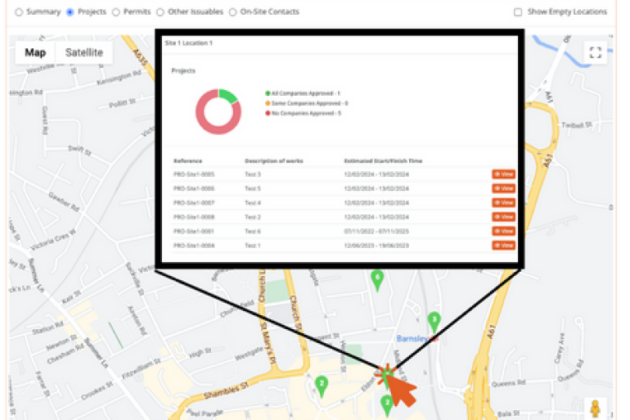
- Real-Time Check-Ins and Geo-Tagged Tracking: Mobile sign-ins provide instant arrival confirmation, with “On-Site Now” dashboards offering full visibility across sites and restricted zones
- Automated Compliance Management: Expiry alerts, structured approval chains, and permission linking keep hygiene and training records current and traceable
- Integrated Reporting and Tools: Time-stamped logs, policy acknowledgements, and role-based access align with UK hygiene regulations and HACCP audit demands
Proven Impact
As seen with The Ornua Foods case study, Heresafe can help food-processing teams move away from paper-based contractor processes, improve visibility, and create a more consistent approach to compliance, inductions, document control, and permits to work.
“We could initially see the value in the Heresafe system and knew it would be the solution to our problems and that we needed to implement it immediately; we even spoke to other users and had a site visit to personally see the positive impact it had on other businesses.”
Derek Holes, Facilities Manager, Ornua Foods
Conclusion
In food-processing plants, contractor and visitor management is a practical part of supporting HACCP, not an administrative extra. Stronger control over entry, inductions, documentation, visibility, and permits helps teams reduce avoidable risk, maintain clearer records, and apply hygiene expectations more consistently across temporary personnel. Heresafe helps food businesses bring these controls together in one place, giving teams a more standardised and traceable way to manage contractors in high-hygiene environments.
Ready to Strengthen HACCP Compliance?
Elevate visitor and subcontractor management with Heresafe. Book a demo to see if Heresafe is right for you.
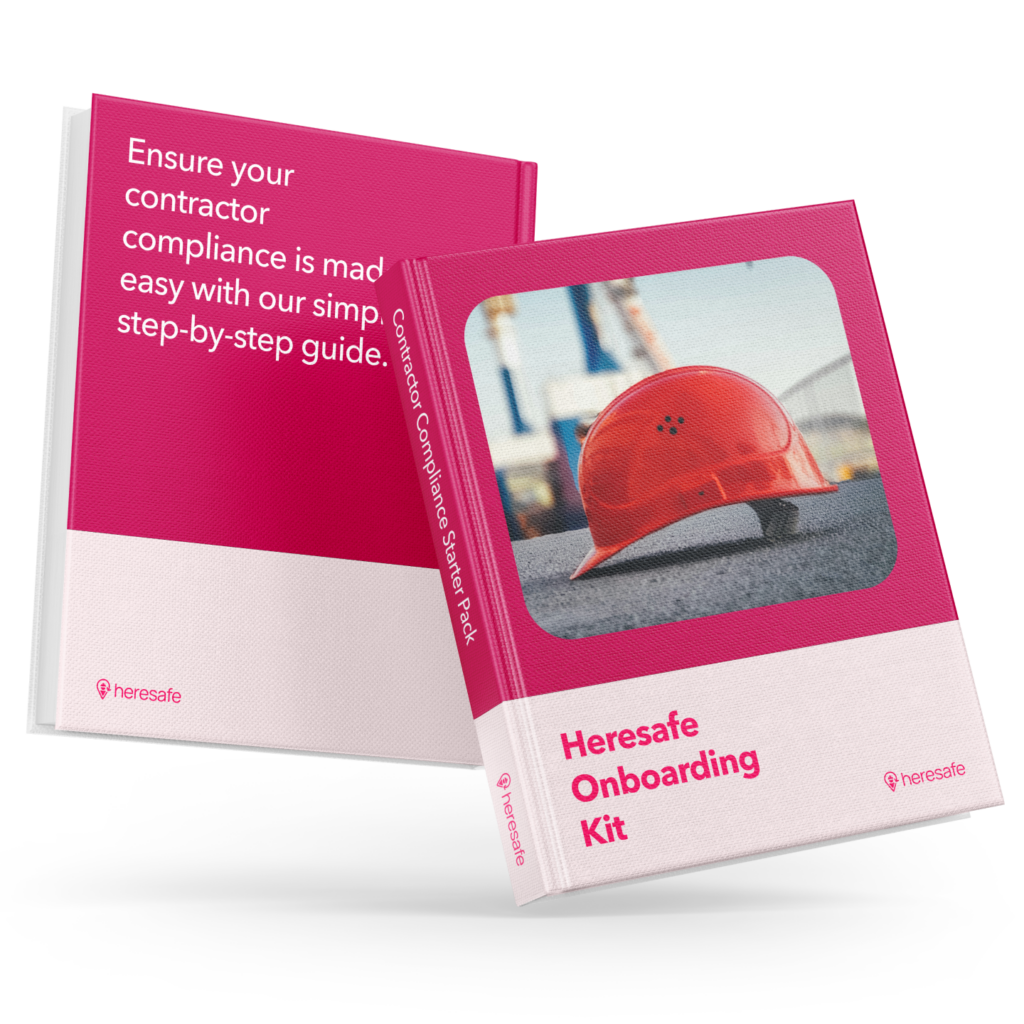
Book a demoFind out if you’re ready with our Heresafe Onboarding Kit
Unsure if Heresafe is the right fit? We understand that choosing a new system can be challenging. That’s why we’ve developed our Onboarding Kit to simplify the decision-making process.
Check our package details
No matter which package you choose, you'll receive the best features tailored for you and your team, to achieve your automation and management goals. Find more details on the available packages.
Make it your own
You’ll get to see and choose your customisation options, and check out the available add-ons and extras so the system is exactly what you want and need.
Getting you started and seeing value
Keeping this guide with you, and working closely with us, we can walk you through onboarding so you can be completely up and running with your own Heresafe system.

It’s easy to get started.
Step 1
Book a demo of Heresafe with the team.
Step 2
We’ll chat through your requirements and see if Heresafe is right for you.
Step 3
We’ll send you demo access and our onboarding kit to help you decide what you need.
Step 4
You decide if we’re right for you. No pushy sales calls.
Step 5
Like what you see and hear? Let’s get you onboarded with Heresafe!
- Clients