- PricingWe don’t hide behind fancy sales teams before we tell you, our prices.
- Clients
See who we are working with and what they have to say about Heresafe.- Resources
Check out our blog, useful guides, whitepapers and product videos.
The Evolution of Health and Safety Regulations in the UK: 2024 Perspective

Did you know that in 2024/2025, 124 workers tragically lost their lives in work-related incidents across Great Britain, according to the latest Health and Safety Executive statistics? This sobering figure highlights the ongoing need for robust regulations to protect lives and prevent avoidable harm. Additionally, 92 members of the public were killed in work-related accidents during the same period, underscoring the broader societal impact.
What You’ll Learn
- The historical foundations of UK health and safety regulations
- Key legislative milestones that shaped modern practices
- Recent developments and 2025 updates, including new focuses on mental health, occupational ill health, fire safety, manual handling, and PPE
- Sector-specific regulations and their real-world impacts
- The role of technology in enhancing compliance and safety
- Future trends, such as AI integration, wearables, and sustainability
- How Heresafe supports businesses in navigating these regulations
- Practical insights through case studies and resources
Introduction
Health and safety regulations in the UK form the backbone of workplace protection, ensuring organisations mitigate risks, safeguard employees, and foster sustainable operations. From ancient origins to contemporary reforms, these laws have adapted to industrial advancements and societal needs, with 2025 marking a pivotal year for emphases on mental well-being, occupational health, technological tools, and enhanced enforcement in areas such as fire safety and PPE. This guide explores their evolution, incorporating the latest 2024/2025 data and insights, while demonstrating how solutions like Heresafe’s contractor management software can streamline compliance. For more on our innovative approach, visit our Why Heresafe page.
Historical Background of Health and Safety Regulations
The roots of health and safety regulations in the UK trace back centuries, evolving from rudimentary protections to comprehensive frameworks.
Early Beginnings
In ancient civilisations, such as those in Egypt and China, basic measures like protective gear addressed immediate construction hazards. These early practices laid the groundwork for recognising worker safety as a societal priority, influencing later UK developments.
The Industrial Revolution and Early Legislation
The Industrial Revolution brought rapid factory and mine expansions, exposing workers to unprecedented dangers. The Factory Act of 1833 marked a turning point by limiting child labour hours and mandating inspections, setting precedents for broader protections against machinery risks and occupational diseases.
Key Milestones in UK Health and Safety Legislation
Several landmark laws have defined the regulatory landscape, each building on the last to enhance worker protections.
The Health and Safety at Work Act 1974
This foundational act established a unified framework for employee welfare across industries, creating the Health and Safety Executive to enforce standards through inspections and guidance. It mandated risk assessments, safe environments, and training, shifting responsibility to employers.
The Management of Health and Safety at Work Regulations 1999
These regulations introduced systematic risk management, requiring regular assessments, safety policies, and employee involvement. They promoted continuous improvement, significantly reducing workplace incidents over time.
Control of Substances Hazardous to Health Regulations 2002
Focused on hazardous materials, COSHH mandated assessments, control measures like ventilation and PPE, and health surveillance, heightening awareness of long-term health risks. In 2025, stricter enforcement is anticipated, with more frequent inspections and tougher penalties for breaches in high-risk sectors. Learn more about COSHH compliance
Modern Developments and 2025 Updates
In recent years, regulations have adapted to emerging challenges, with 2025 introducing targeted reforms and increased enforcement.
Recent Regulatory Changes
2024 saw updates to RIDDOR for streamlined incident reporting, including enhanced guidance on reportable incidents and clearer directives on who must report. 2025 builds on this with Martyn’s Law (the Protect Duty), which rolls out in stages and imposes duties on public venues and event spaces to conduct stronger risk assessments, emergency planning, and staff training to prevent terrorism-related risks. Additionally, the HSE’s new national plan targets occupational ill health, aiming to make Britain the healthiest place to work by addressing stress, musculoskeletal disorders, and other conditions through proactive measures.
Emphasis on Mental Health and Flexible Working
2025 trends prioritise mental well-being, integrating it into core regulations alongside physical safety. Employers must now conduct mental health risk assessments for psychosocial risks such as stress, fatigue, and workload, with strong encouragement for mental health first aiders and support systems. Changes support flexible and remote work models, requiring assessments for ergonomic and psychological risks, including Display Screen Equipment (DSE) evaluations for home-based employees. This reflects a cultural shift towards holistic employee health.
Enhanced Fire Safety, Manual Handling, and PPE Enforcement
Full enforcement of the Fire Safety (England) Regulations 2022 continues in 2025, mandating rigorous fire risk assessments by a designated responsible person, particularly in multi-occupancy and high-rise buildings, with additional duties for fire door checks and safety instructions. Manual handling sees increased HSE scrutiny, requiring up-to-date training, frequent risk assessment reviews, and potential spot inspections in sectors like logistics and construction. PPE regulations, updated post-Brexit under the Personal Protective Equipment at Work (Amendment) Regulations 2022, now extend provision to contractors, with requirements for free, properly fitted equipment bearing UKCA markings.
Sustainability and Environmental Integration
New guidelines encourage sustainable practices, linking health and safety with environmental controls to reduce long-term hazards like climate-related risks in outdoor sectors. This includes assessments for heat exposure, air quality, and flood preparedness as best practice.
Sector-Specific Legislation
Regulations tailored to industry needs, ensuring targeted protections.
Construction Industry
The Construction Design and Management Regulations 2015 emphasise planning and coordination to manage risks like falls and excavations, with 2025 updates enhancing technology use for real-time monitoring and incorporating Grenfell Tower Inquiry recommendations for stricter fire safety in high-rise buildings.
Manufacturing and High-Risk Sectors
The Control of Major Accident Hazards Regulations apply to facilities handling dangerous substances, focusing on prevention and mitigation. Offshore energy projects now fall under updated health and safety laws, extending protections to renewable sectors.
The Impact of Regulations on Workplace Safety
These laws have driven a cultural shift, making safety a strategic priority that boosts productivity and morale. The 2024/2025 statistics show 92 public fatalities linked to work activities, underscoring the need for vigilance. Investments in compliance reduce costs from incidents and enhance organisational resilience.
Future Trends in Health and Safety
Looking ahead, AI and machine learning will revolutionise risk prediction and incident response, with predictive analytics identifying hazards like equipment failure. Regulations may further integrate digital tools for automated reporting, alongside wearables for real-time monitoring, fatigue detection systems, and smart helmets detecting impacts or physiological indicators. A continued focus on mental health, sustainability, and CSR will link employee well-being to environmental goals, particularly in renewables. For insights into emerging trends, check our Heresafe blog.
How Heresafe Supports Compliance with Evolving Regulations
At Heresafe, our contractor management software aligns with these developments by automating HSEQ questionnaires, providing real-time dashboards, and ensuring 100% compliance through geo-tagged check-ins and alerts. Our platform integrates seamlessly with dynamic risk assessments, as detailed in our dedicated article. See real-world applications in our case studies, including the Sibelco case study, and learn about our secure system on the trust page.
Conclusion
The evolution of health and safety regulations in the UK, from the 1974 Act to 2025’s focus on mental health, occupational ill health, enhanced enforcement, and technological integration, reflects a commitment to protecting workers amid changing landscapes. By embracing these changes and leveraging technology, organisations can minimise risks, ensure compliance, and build safer workplaces.
Take Action Now: Elevate Your Compliance Strategy
Ready to stay ahead of 2025 regulations? Book a demo with Heresafe to discover how our tailored solutions can transform your safety management. Explore pricing options, read customer reviews to see why businesses trust us. Contact us today to safeguard your team.
Frequently Asked Questions
Health and safety regulations in the UK spark numerous queries about their history, updates, and application. Below, we address common questions to provide clarity and guidance.
It establishes a framework for ensuring employee welfare, mandating safe practices and creating the HSE for enforcement.
Key updates include Martyn’s Law for public safety, a national plan for occupational ill health, greater emphasis on mental health integration, full fire safety enforcement, stricter manual handling and PPE rules, and advancements in technology and sustainability.
They are tailored, such as CDM 2015 for construction, focusing on coordination, versus COMAH for hazardous industries, emphasising accident prevention.
Non-compliance can lead to fines, prosecutions, or reputational damage, as enforced by the HSE, highlighting the need for robust systems.
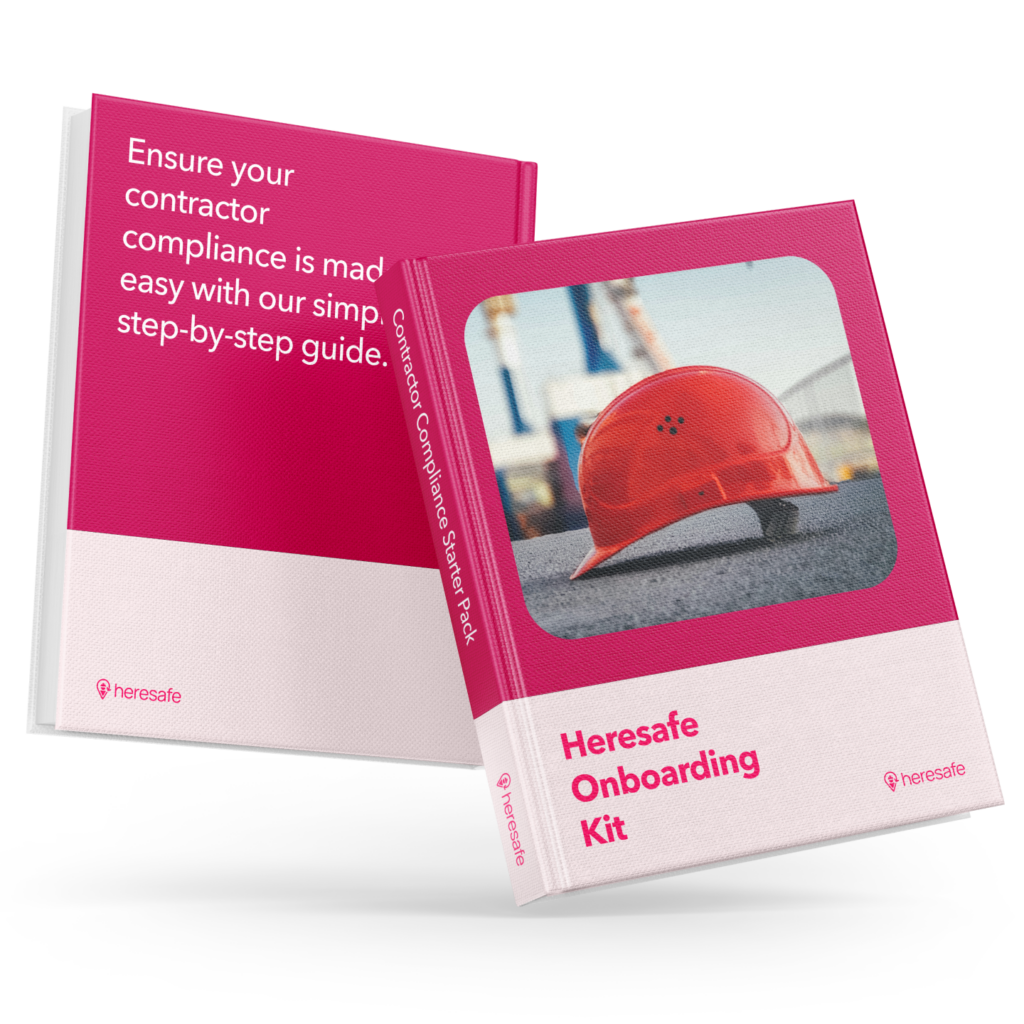
Book a demoFind out if you’re ready with our Heresafe Onboarding Kit
Unsure if Heresafe is the right fit? We understand that choosing a new system can be challenging. That’s why we’ve developed our Onboarding Kit to simplify the decision-making process.
Check our package details
No matter which package you choose, you'll receive the best features tailored for you and your team, to achieve your automation and management goals. Find more details on the available packages.
Make it your own
You’ll get to see and choose your customisation options, and check out the available add-ons and extras so the system is exactly what you want and need.
Getting you started and seeing value
Keeping this guide with you, and working closely with us, we can walk you through onboarding so you can be completely up and running with your own Heresafe system.

It’s easy to get started.
Step 1
Book a demo of Heresafe with the team.
Step 2
We’ll chat through your requirements and see if Heresafe is right for you.
Step 3
We’ll send you demo access and our onboarding kit to help you decide what you need.
Step 4
You decide if we’re right for you. No pushy sales calls.
Step 5
Like what you see and hear? Let’s get you onboarded with Heresafe!
- Clients